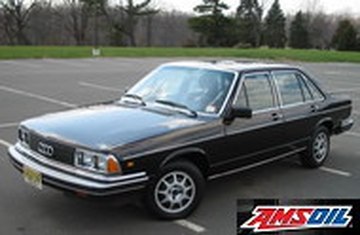
Maintaining Lubrication Integrity for the 1981 Audi 5000 2.2L
Proper engine care for a vehicle like the 1981 Audi 5000 with its 2.2L engine requires a disciplined approach to fluid management and regular inspections. As vehicles age, the consistency of maintenance becomes the primary factor in determining how well internal components continue to operate. For this specific model, staying attentive to the condition of the engine oil and identifying early signs of system changes can help prevent more significant mechanical issues down the road.
Monitoring Fluid Condition and Potential Leaks
One of the most effective ways to monitor the health of the 2.2L engine is through regular visual inspections of the surrounding components. Owners should look for any evidence of fluid seepage or active leakage around the engine block and sealing surfaces. Even small amounts of oil appearing on the exterior of the engine can be an early indicator that gaskets or seals are beginning to age.
When performing these checks, it is useful to observe several key areas:
- Sealing Surfaces: Inspect the areas where different engine components meet for any signs of dampness or residue.
- Drain Areas: Check the area around the oil drain plug and the underside of the engine for fresh fluid deposits.
- Fluid Appearance: If the oil is checked via a dipstick, note its color and consistency. While some darkening is expected as oil ages, extreme discoloration or a gritty texture warrants further investigation.
It is important to remember that visible symptoms, such as an oil spot on the driveway or a change in how the engine sounds, can have multiple underlying causes. Rather than attempting to diagnose a specific component failure based on a single observation, these signs should be treated as prompts for a more thorough professional inspection.
Prioritizing Long-Term Engine Care
For an owner of a 1981 Audi 5000, effective maintenance is often about moving from reactive repairs to proactive monitoring. If the vehicle's service history is incomplete, establishing a baseline is a logical first step. This involves documenting every oil change, filter replacement, and fluid top-off to create a clear picture of how the engine is being treated over time.
As the vehicle continues through its lifespan, maintenance priorities may shift. Instead of following a generic schedule based solely on age, it is often more effective to prioritize tasks based on the actual condition of the vehicle. For example, addressing an active, slow-moving seep is generally more urgent than replacing a component that shows no signs of wear. By reviewing available repair records and comparing them against current observations, an owner can make informed decisions about where to allocate maintenance efforts.
Consistent record-keeping also helps in identifying trends. If you notice that the engine requires more frequent oil top-offs than it did a year ago, this change in consumption is a valuable piece of data that can guide future service decisions.
Observing Potential Warning Signs
While many maintenance tasks are performed during scheduled service, being aware of certain indicators can help catch issues before they escalate. These signs do not always point to a single specific problem, but they do indicate that the engine's operating environment has changed.
Changes in how the engine operates or sounds can be significant. Unusual mechanical noises that were not previously present should be investigated promptly. Similarly, if you notice any changes in exhaust characteristics—such as smoke that appears different from the vehicle's normal operation—it is a signal to check fluid levels and inspect for potential leaks.
If an oil-related warning indicator appears on the dashboard, this requires immediate attention. Such indicators are designed to alert the driver to conditions that could affect the engine's ability to operate safely. Always treat these alerts as high-priority events that require a professional diagnostic check to determine the cause.
Managing Aging Engine Components
With a vehicle from 1981, certain materials and components are naturally subject to the effects of time. While age alone does not mean a part is failing, it does mean that certain items should be inspected more frequently. This includes checking the condition of various hoses and any accessible belts, if equipped, for signs of cracking, glazing, or fraying.
Electrical connections and wiring harnesses should also be monitored for signs of brittleness or corrosion, as these can affect the overall reliability of engine sensors and other electrical systems. Furthermore, ensuring that the air filtration system is clean and free of debris is a fundamental part of maintaining proper engine breathing and preventing contaminants from entering the combustion process.
The goal of age-related maintenance is not to replace every old part, but to distinguish between components that are still performing their function and those that are showing signs of actual deterioration. This measured approach prevents unnecessary spending while ensuring that critical systems remain reliable.
Understanding Lubricant Functionality
Engine oil performs several vital roles that go beyond simple lubrication. It helps manage the thermal environment within the engine by carrying heat away from high-friction areas and assists in controlling the buildup of deposits. Over time, as oil is subjected to heat and combustion processes, its ability to resist oxidation and maintain its chemical stability can change.
When selecting a replacement lubricant, it is helpful to understand the different formulations available. Some high-mileage oil formulations contain additives intended for use in aging engines, including seal-conditioning additives that may help manage minor seepage. There are also various levels of base oils, ranging from conventional to synthetic and synthetic blends, each offering different characteristics regarding thermal stability and deposit control.
Regardless of the formulation chosen, ensuring the lubricant meets the appropriate quality standards is essential for protecting the internal components of the 2.2L engine.
Buying Engine Oil for your 1981 Audi 5000 2.2L
When you are ready to purchase new lubricant, the most important step is to match the product to the specific requirements of your vehicle. Do not rely on general automotive knowledge or assumptions based on the engine's age to select a grade.
Instead, refer directly to the application-specific oil viscosity and requirements already displayed on this webpage. Before completing your purchase, always check the product labeling to ensure the oil meets the necessary specifications and that the viscosity matches what is listed for your exact 1981 Audi 5000 2.2L. Whether you choose a conventional, synthetic blend, or a high-mileage formulation, the priority must be adherence to the application information provided here.